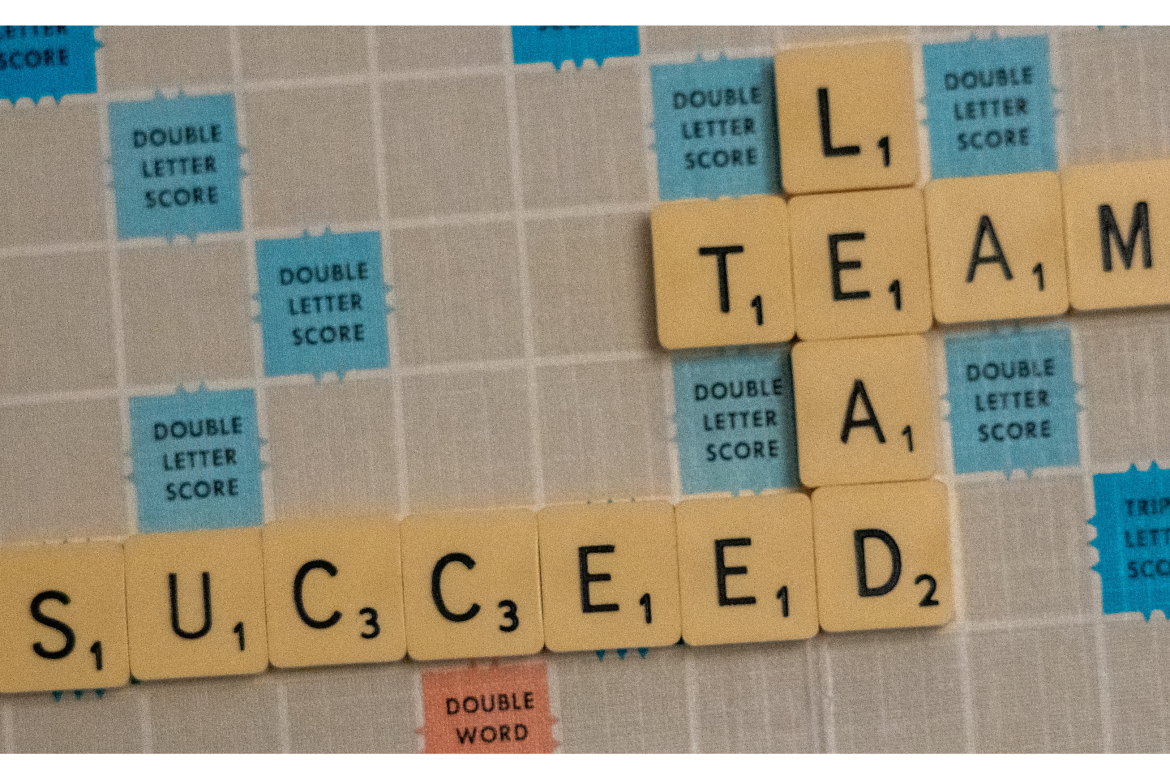
‘Fit’ is the all-important word used in the recruitment process, but is this the key to finding the best candidate?

‘They’re a great candidate, but I’m not sure they’re the right fit.’ Admit it, we’ve all said this at least one time during our careers. It is a really important aspect of the hiring process but can also be a significant blocker to hiring great candidates.

The best approach to hiring is to focus on cultural alignment. Fit narrows down your options and if you don’t have defined company values or purpose, you’re working in the dark or looking for that unicorn candidate, while not progressing with someone who could be a standout employee.

How will that candidate fit in with our teams and company personality? If they don’t ‘fit’, will they work well with others?

The term ‘fit’ implies assessing whether a candidate’s skills, values and personality align with the company’s culture and existing team dynamics. While cultural alignment is crucial for fostering a harmonious and productive work environment, it is essential to examine whether relying solely on ‘fit’ is the key to finding the best candidate.

Here’s a question to chew over during the recruitment process; do you want to be an organisation where you all agree as a collective and think the same thing? Where do challengers, mavericks and leaders fit in?

The Importance of Cultural Alignment

Cultural alignment refers to a connection between an individual’s beliefs, values and behaviours to those of the business. Where there is a strong alignment, employees tend to be more engaged, loyal, and committed to their work and the company’s mission.

In a culturally aligned workplace, employees are more likely to share the same vision, which nurtures a sense of belonging and purpose. Ok, so they may not have the exact ‘fit’ profile but they share the same goals, which potentially makes for a more driven and engaged employee.

The Pitfalls of Overemphasizing ‘Fit’

Going back to the question we asked above about groupthink, the challenge with making fit key is that it can lead to homogeneity of thinking. If everybody thinks the same way, there is a risk of no diversity of thought, alternative perspectives and experience or creativity.

Furthermore, placing too much emphasis on ‘fit’ can lead to unconscious bias in the hiring process. It’s human nature to unconsciously favour candidates who are similar to you or who are from a similar background, but again, this can be a limiting approach.

Here are some steps to help you move to hiring for cultural alignment:

Define Your Company Culture:

A crucial first step in the process is to clearly outline your company’s values, mission, and vision. Having a well-defined company culture enables you to assess whether a candidate aligns with these fundamental principles.

Focus on a Person Specification:

This document is key to hiring for cultural alignment, however, it won’t mean a thing if your company values aren’t in place. A Person Spec helps you outline what you’re looking for in your new hire or role. It will help you really focus on the key skills they require and identify more clearly the type of person that would suit this role.

Prioritise Skills and Competencies:

Alongside cultural alignment, focus on a candidate’s skills, experiences, and competencies that directly relate to the job requirements. A well-rounded skill set is essential for a candidate to excel in their role.

Onboarding and Integration:

Once the candidate is hired, make sure you have a robust onboarding process that helps the employee integrate seamlessly into the company culture. This includes providing resources, mentorship, and support.

Striking the right balance between hiring for ‘fit’ and considering other crucial factors is the key to finding the best candidate. By fostering a diverse and inclusive workplace, while also prioritising skill and competency, companies can build a thriving workforce that adapts to the challenges of the ever-changing business landscape.

Finally, remember, the ultimate goal is not just to find a candidate who fits the culture but one who enriches it with their unique contributions and experiences.


When inflationary salary hikes just aren’t sustainable, there are other ways to support and engage employees

Let’s be honest, it’s been a tough and mixed-up 2023 so far.

Cost of living increases have seen a significant change in the way we spend and live our lives. Yet, at the same time, from the employer’s perspective, we’re still seeing skills shortages and retention struggles.

Even though the number of job vacancies fell in March, the jobs market is still at an all-time high. Combine this with the fact that there is a rapidly increasing need for specific soft and technical skills, as well as candidates with a deep understanding of the latest platforms or solutions designed to transform business.

These candidates are commanding high salaries and are more often than not, following the money. However, for some employers, such talent can be costly and, financially, this may not be the right direction for their business right now.

You can see how this mixed-up climate has had a knock-on effect on employers. In such a tough hiring market, the need to recalibrate and refocus on employee engagement and retention is key, whilst the need to balance the books and ensure employees are compensated fairly are paramount. This is has made company-wide benefits packages more important than ever.

Sometimes it’s the small things that make all the difference

Financial rewards, such as salary hikes, tend to be the go-to solution for employee retention, but this may not be the best option for your bottom line right now. Having said that, managing inflation against travel and living costs is also a management challenge right now.

Some businesses have been working on a half-yearly one-off payment to support inflation hikes, but others have used this as an opportunity to look at their benefits through a different lens to assess where day-to-day costs are hitting employees hard.

A great example can be seen with one of our clients. They looked at the incremental impact of ‘small ticket’ items, such as coffee and took steps to support the increasing costs of getting a take-out coffee every day. For them, the solution was to invest in a state-of-the-art coffee machine. That way, employees were still getting their barista-made coffee experience, but for free.

Simply looking at the economics of coffee, research has shown that an average cup of coffee costs around £3.14, which totals around £63 per month. For our client, thinking a little differently and making that upfront investment has immediately saved their employees money.

As we always say, it doesn’t always have to be grand gestures. Sometimes, it’s about re-framing your thinking.

Training or re-skilling

Giving employees the chance to up or re-skill is moving further up the boardroom agenda. It’s also a great benefit for employee retention. In large organisations, we’re seeing the growth of internal talent marketplaces where employees can see the latest opportunities within the business and can then apply or re-skill accordingly.

Talent Marketplace strategies are helping large organisations manage skills shortages and break out of siloed thinking, which can easily be replicated in SMEs. There are so many ways to train these days that don’t have to break the budget, which can also take the form of mentoring or on-the-job training.

Wellbeing

Post-COVID we’re seeing more and more employers focus on wellbeing programmes, which are still very much relevant in this climate, especially when it comes to financial wellbeing.

This is an area where HR Tech is thriving. This is a very dynamic and fast-growing space, with a wealth of employee engagement platforms that focus on financial or insurance benefits, as well as mindfulness and emotional wellbeing. These include Headspace, YuLife and Perkbox, to name but a few!

Hybrid working

Although it most definitely has its pros and cons, hybrid working can be a financially sound option during this time. One of the downsides of a hybrid approach, however, is the potential impact it can have on on-the-job-training, especially for more junior employees.

On the flip side, the cost of commuting can also have a significant effect on monthly salary – as we said, it’s a mixed-up 2023! – which makes hybrid an attractive solution to ensure employees have some money in their pockets at the end of the month. For employers, there are operational cost-savings to be had here too.

Taking this approach would mean more focus and preparation for the days when people are in the office, especially amongst junior employees to ensure they are given time to engage and learn.

At Cajun, I work with a range of growing businesses to help them with exactly these problems and challenges. As an extension of your HR function, I can look at how to ensure employees are being compensated fairly for their work without always having to focus on salary hikes.

I know this a very challenging time for businesses and why HR expertise could well be the HR lifeline your business needs.

Want to chat? Why not get in touch.

Christmas parties at work, whether it’s a tame lunchtime trip to a local restaurant or a full blown wild night out should, of course, be fun.

But equally you need to tread that fine line between being a heavy-handed killjoy or deciding to let anything go, which ends up with a difficult situation to deal with once the party is over and you are back at work the next day.

In my experience it is wise to set a few clear ground rules in advance of the event that make it clear to everyone what is and what isn’t an acceptable standard without being a ‘bah, humbug!’ killjoy.

Here goes………

Standards – make them clear in advance

Set clear standards for acceptable behaviour in advance, especially if clients attend. Don’t be afraid of telling it like it is. Some employers may think it is totally acceptable for everyone to let their hair down in whatever way they like; others will take a more measured approach. Whatever your stance is, please just spell it out to ensure there are no surprises.

Food and drink – not just alcoholic ones please

Make sure you provide food to suit everyone early on in the evening and do make sure there are non-alcoholic drinks for those who don’t consume alcohol for religious or other reasons. Please do not allow under 18’s to consume alcohol. I know it is Christmas, but you have a duty of care, make it clear that it is unacceptable.

Have fun – but you have to come to work the next day

Make it clear that not turning up to work the next day (unless annual leave is booked) is unacceptable. Especially if the reason is believed to be related to excessive alcohol consumption. If employees do not turn up, it should be treated as unauthorised absence and dealt with accordingly. Remember too, that however you treat one person has to apply to any other person who breaches the line in the same way, fairness and consistency at all times please.

Safety – plan for safe journeys home and be aware of Vicarious Liability

Plan ahead and remind employees to plan their journey home and encourage employees to go home in groups or even better book taxis to ensure safe arrival. All of us are vulnerable when we may have had a drink or two. Encourage everyone to plan ahead with safety in mind.

Recent changes in law now means that businesses need to be aware of Vicarious Liability, where employers can be found liable for the wrongful actions of their employees if this act took place in the course of employment. This includes anything that may happen inside AND outside of work – if there is a significant connection.

A few pointers for the boss – yes you!

However much fun you are having, please take a few words of advice from a seasoned party-goer (really, you don’t want to know!) and HR professional.

As the boss please do not stay to the bitter end. Nominate someone else to remain to the end of the party. Your employees like to see you come along and then leave so they can really let their hair down – and talk about you, you know they will!

Limit your own alcohol consumption and please don’t go too far. It may be Christmas, but you need to face your employees the next day with a clear head and conscience.

Finally, however tempting it is please do not talk shop! It’s an easy opportunity for employees who demeanor is loosened by a tot or two of alcohol to corner you and ask for that much sought-after promotion! Politely and firmly change the subject and move on.

In summary

Have a successful and fun time, let your hair down, build a little team spirit, get your dancing shoes on but just know when to stop, when to leave and when to draw the line.

Cajun HR Services are specialists in guiding owner managers of successful growing businesses through the minefield of employment matters and HR legislation.

Call me now for practical, straightforward and no-nonsense HR advice which allows you to improve your business performance through people.

There are times when conflict can be healthy, but not all the time

Conflict. We’ve all faced it at some point in our careers and it can be quite shocking to experience, but there are times when it can be healthy.

Productive and high performing teams thrive on consensus, but they also embrace conflict. Why? Because it helps boost creativity. Research from INSEAD found that it makes employees work harder to find solutions for the conflict.

On the flipside, avoiding conflict can also be detrimental to an organisation as it can create an avoidance culture. Classic signs are meetings filled with ‘taking it offline’, managers looking at creative workarounds for challenging employees and huge priority lists for fear of saying no.

This approach can lead to frustration and a culture of negativity, not to mention halt innovation and productivity.

That’s not to say being confrontational all the time is great either. This can create an atmosphere of fear and tension. We don’t all want to be clones yet we don’t want to view conflict as normal because both of these are detrimental to a business, which begs the question; what’s the right balance?

When conflict is good

A good conflict arises from when ideas or plans are being exchanged. To use a recent example to illustrate the point; one of our team was in a client meeting recently where new plans were being presented. When plans were pitched and all stakeholders had their say, our team member questioned some of these plans and gave their reasons for challenging some key points.

This didn’t create a hostile environment, but instead gave people pause for thought. discussing, debating and presenting alternative solutions. The meeting ended on a positive note and a consensus agreed. Ok, as consultants a key part of our job is to challenge, but I think it illustrates the point that conflict in this instance is good…but you have to give people safe harbour to do this.

Of course, not everybody thrives on healthy conflict. An employee or team member may be conflict averse or more of an introvert, but there is still scope to challenge and to say ‘I don’t agree’. However, always make sure you check in with them after a meeting, get their feedback and make sure they’re comfortable.

For those that thrive on conflict, this is a great opportunity to use it with purpose. Caveat, this doesn’t give you the nod to go hog wild and be confrontational at every turn. It means you know that person is open to an animated exchange when necessary.

There are also times when conflict can simmer away until it reaches boiling point. Although we would recommend issues that are bubbling under are addressed as quickly as possible, sometimes a chance to vent and let off steam can be crucial.

If an employee or manager has repeatedly addressed an issue that is troubling them, but they feel very strongly about the fact nothing has been done to solve the issue, then conflict may be the only way to get heard. Sometimes it can be required to get something moved to action.

When conflict is bad

A direct conflict culture creates a bullying culture and that is not good for business. It is not to be encouraged or confused with good conflict. You will lose employees with this approach.

At the start of this piece, I mentioned how in conflict averse cultures managers can turn a blind eye to a challenging employee for fear of having a difficult, and yes, confrontational conversation.

The impact of this approach is that it breeds negativity amongst colleagues, and it also looks as though you’re giving that employee preferential treatment. Not to mention communicating a message that it’s ok to be a difficult.

While that individual is behaving however they want, valued employees are leaving or starting to change their behaviours to match that individual…because they’ve been given the signal that it’s ok to do so.

Ok, I know and understand that nobody wants to have ‘that’ conversation, but this is a great example of where it really has to be done. In fact, it is such a common problem and one I’m always asked about, but it has to be addressed before it does your business harm.

There are also times when conflict can just be between two individuals, such as a manager and colleague. This can be a lonely and isolating experience, and, in these instances, it’s important to really look into what’s going with this dynamic and address whether the manager may need training or focus their skills elsewhere.

This is also an opportunity to empower the colleague to address their challenges head on with their manager. The DESC approach has can help individuals have a constructive conversation and effectively communicate how conflict is making them feel.

There’s a more detailed download on our website, but the DESC approach works in four steps:

Step 1. Describe the situation: Summarise the situation and cite specific examples

Step 2. Explain how it makes you feel: Clearly state where you are facing conflict and outline how it makes you feel

Step 3. Solution: Offer a fair and reasonable solution to the problem. This shows a thought-free resolution

Step 4. Consequence: Outline the positive consequences of adopting the suggested solution

DESC is a framework we have relied upon often and it works well when conflict occurs between two individuals.   

As you can see, there’s a fine line between good and bad conflict, but as a tool to refine ideas, drive creativity and innovation, there’s nothing like a good old heated and robust exchange of views!

Flexible and hybrid working has revolutionised the workplace, particularly at the senior level  but what about employees still growing their careers?

The Pandemic has led to a mixed bag of responses to new ways of working. Where once flexible working was something employees had to negotiate, for some it’s now become a standard way of working, especially a hybrid approach.

As we settle down and new patterns and routines start to shake out, we’re seeing that there are business benefits to be had with flex. For example, a hybrid working model can reduce overheads and operating costs, which is crucial in this current economic climate.

However, for every company in the UK looking to implement hybrid, this is a new challenge and one for which there is no HR blueprint yet, especially when it comes to maintaining a sense of team, upholding togetherness and developing employees in less senior roles who are still building their careers.

This has been made more complicated by what can only be described as a crazy and contradictory job market. Less senior employees do want flexibility, but they also want stronger and clearer lines drawn between work and home.

Yes, it’s very much a candidate-led market of people who, despite their concerns about hybrid still want greater flexibility, but, and this is the key point, they also want opportunities to progress, financial gain, and better acknowledgment and appreciation of their work.

To push this point further, The Economist’s Work-life Balance Barometer highlights that almost two-thirds of senior leaders surveyed believe in-person interaction in the workplace is essential to maintaining an inclusive and connected company culture.

At the same time, over half of senior leaders also believe that giving employees the ability to work remotely for at least part of the week is now essential for employee retention and talent recruitment.

To office or not to office?

With every survey on hybrid working, there’s the same result. Senior level people are reaping the benefits, whereas less senior employees are struggling with wellbeing, work-life balance and being visible for progression.

According to LinkedIn, 72% of businesses surveyed agree that learning and development (L&D) has become a more strategic requirement for their business.

Even those organisations that offered some form of flexibility pre-pandemic didn’t have the challenge of facing this across the whole business, as it was mainly for staff who were further along in their careers so no ‘hand-holding’ required.

Younger employees benefit greatly from being around more experienced colleagues, but if senior-level people prefer to work remotely, how are those people at the beginning of their career expected to progress their careers?

Focusing on Learning and Development

According to LinkedIn, 72% of businesses surveyed agree that learning and development (L&D) has become a more strategic requirement for their business. With new ways of working comes new training requirements, of which there are many.

Key priorities for a lot of businesses are digital transformation and ‘up’ or ‘re’-skilling. The pandemic has brought these gaps into sharp relief and it’s clear there is a lot of work to be done on this area. We are also seeing this challenge across our client base.

In our blog on Being a Great Place to Work, we look at the importance of standing out in a competitive jobs market. However, when all is said and done one of the most effective ways to combat this issue is employee retention.

Less senior employees do want flexibility, but they also want stronger and clearer lines drawn between work and home.

L&D is key to attrition and retention, as is on-the-job learning, shadowing and just generally watching senior managers in action. However, if they’re not in the office then it’s very hard for junior employees to learn by osmosis.

…and if less senior staff members aren’t learning and growing, guess what? They’re going to look elsewhere, hence the ‘Great Reshuffle’ and a crazy jobs market.

It’s important to look at how you can make a hybrid model work with career development always front of mind.

Key L&D requirements to consider:

  1. What training do managers need to ensure clearer paths to progression for junior employees through a hybrid model?
  2. Where do the skills gap lie amongst senior staff members and what can be done to address them?
  3. What can senior managers learn from junior employees? This is a digitally-savvy generation and well-worth tapping in to
  4. With some younger employees preferring to be in the office, agree with senior managers when they should also be present to ensure on-the-job learning
  5. Ensure regular social interactions to build a sense of togetherness, community, team and to develop relationships. This is especially important for new joiners

In these turbulent times, I appreciate that a hybrid model is potentially more economical for some businesses, which is why establishing clear processes and L&D strategies are going to be more important than ever.

However, hybrid working does put pressure on managers to ensure they’re getting the best out of their team and it also means regular touch points, ongoing feedback and engagement with team-members.

There can also be a lot of guess work when working remotely and we’re starting to see more research on employee stress due to not knowing what’s going on within the organisation or within teams.

Yes, hybrid working does mean a radical transformation to behaviours and processes, but there does need to be a balance between supporting careers and giving employees the flexibility they want or feel they deserve.

Consider this; that rising star who’s impressive on Teams calls could be the future of your business, but if they’re being left out in the ‘remote working cold’ and not getting the training they want, and deserve, they will leave and you will have lost a valuable asset. Makes you think doesn’t it?

Standing out as employer of choice in a competitive market

These really are exceptional times. We’ve emerged from the pandemic to see the jobs market in a state of flux, with the ‘Great Resignation’ creating a highly competitive jobs market. So much so, 45% of employees in UK SMEs are planning to look for a new job in the next 12 months.

The challenge for employers right now is that it’s very much a candidate-led market where people are picking and choosing where and how they want to work. They can choose the type of flexibility they want, not to mention command the salary they want. But, and here’s the rub, not everybody has the big bucks to compete. And even if they did, from a financial perspective, this is just not a sustainable approach in the long term.

So, what do you do if your budget doesn’t stretch to a bidding war? How do you compete to ensure your business is a candidate’s first choice?

The good news is that there are a range of things you can do to be a standout employer that won’t significantly impact finances. Of course, salary is always a consideration but we look at other ways you can compete and standout in this current market.

Go to the root of the problem

Amidst all the panic to attract candidates, many businesses haven’t stopped to think about why the market is the way it is right now. Why are so many people moving jobs? Why do candidates have the ring seat?

Flexible working is one element, but let’s be clear here, it’s not the whole picture. Extensive research from Personio has shown that the top three reasons for employees leaving their current employer are due to:

  • A stressful working environment
  • A lack of appreciation in they work they do
  • A lack of career progression opportunities

This is the heart of the matter and a key point when it comes to talent attraction. Sometimes a simple well done or a thank you is all that’s needed, not grand gestures or big salary hikes.

It’s not about weekly fruit deliveries, fresh cut flowers on a Wednesday or table tennis, it’s about meaningful rewards that recognise employee performance.

People like to feel rewarded, respected and know they have opportunities to progress in their role and it’s an approach that can catch a candidate’s eye.

Be a great place to work

Unfortunately, we’re not all mind readers and although your organisation may be inclusive with strong employee values, candidates aren’t going to know this if you don’t show it. That’s why it’s important to ensure your employer brand is strong and clear in its purpose.

Candidates shop around, they like to get a ‘feel’ for an organisation and do a lot of research online and through social media. It’s important to think about where they’ll look to learn more about your organisation. Will they use Instagram or LinkedIn? Is it worth using TikTok to attract younger candidates? Think about the platform that works best for your business and ensure it’s in great shape.

When that’s in place, it’s key to communicate your values and purpose. Showcasing how much you value your people can go a long way to catching that candidate’s eye. It’s also important to highlight how you reward your employees.

We don’t mean weekly fruit deliveries, fresh cut flowers on a Wednesday or table tennis, it’s about meaningful rewards that recognise employee performance.

It’s not just about employees either, it’s also important to ensure your leadership team are visible too. Ultimately, you really want candidates to say; ‘this looks like a great place to work.’

Another thing to note – it’s a small point but could have a big impact – is that it’s really important to ensure your branding, links and contacts are all on point. A joined-up organisation shows clear thinking and purpose. A broken link could be the difference between capturing a great candidate or losing them out of frustration.

Invest in your people

Going back to the core of the issue, career development is a key driver for today’s candidates. However, Personio’s research also found that, of the 500 HR decision-makers surveyed, only 28% were offering more learning and development opportunities. Improving benefits and salaries were top of the list.

The dichotomy here is that 61% of 2,000 candidates that were surveyed stated lack of appreciation and progression were reasons for moving jobs. So why are decision-makers focusing on salary and benefits?

It’s this ‘disconnect’ that could be the difference as to whether a candidate accepts your offer over financial gain. By showing how great you are as a business, as well as opportunities for progression, has the potential to mean a lot more than an inflated salary.

Candidates shop around, they like to get a ‘feel’ for an organisation and do a lot of research through social media.

Of course, there will always be candidates whose main driver is salary, but they may not share the same values as your business and might not be a great fit, which is ok. On the flipside, the risk with competing on salary is that there will be a need for ROI, therefore putting candidates under more pressure to deliver…the one thing they wanted to escape from their previous role.

When I’m getting under the bonnet of an organisation, I support and advise on a range of areas, but when it comes to retention and attraction, I focus on getting the best, growing the best and being the best.

And I think that this approach has never been more important. Organisations that focus on learning and development see far higher retention rates, not only that, but candidates and employees see development as a key priority. 

Do what’s right for your business

Essentially, it’s crucial to do what’s right for your business. Yes, it may take longer if you’re not competing on salary, but we’re all here to play the long game and getting the best candidate for your business.

At Cajun, I support organisations across all aspects of the HR function. From employer branding, learning and development to recruitment, I can help you stand out from the crowd.

Why not drop me a line to find out more? I’m always happy to chat over a cuppa.

Addressing the performance management elephant.

Managing difficult conversations

We’ve all done it.

Complained about a challenging employee but then put off having ‘that’ difficult conversation. When, eventually, a meeting is arranged, you dance around the issue but nevertheless believe you’ve made it perfectly clear the employee is underperforming. However, you’re then surprised to see that nothing changes.

The situation is then escalated but the employee is shocked and reveals they had no idea people were unhappy with their work.

At this point, working relationships have been damaged and confidence may be lost between all parties. Potentially permanently, which may lead to losing that person over a problem that could have been easily solved.

Sounds familiar?

We’ve all been in this scenario. It is an uncomfortable situation that, unsurprisingly, find us doing everything we can to avoid that performance management elephant in the room.

The potential knock-on effect of not addressing the issue is the creation of a toxic and gossip-focused culture that gives colleagues license to say what they like about that employee’s performance. It’s also fair to say that they will also make the not unreasonable assumption, that as nothing has been done about the issue, that it is ok to perform like that – making you, the employer, look as if you have sanctioned that approach

But what if you were to do things differently? What would effective performance management look like?

Feedback and spinach

These two things have a lot in common. For a start they’re both good for everybody, but they also require you to take a leap. If somebody has spinach in their teeth, you want to tell them. It can be awkward but nonetheless, you need to say something.

The same with feedback. It’s only fair to be open and honest. Putting it plainly, if we tell that person they have spinach in their teeth they can actually do something about it.

And this is the crux of the matter, if we tell that employee honestly and openly where the problem lies, they can proactively start making changes. If they don’t know or understand what you’re trying to tell them, how can you expect them to change?

How to have ‘that’ conversation

A performance management conversation is one to prepare for, have everything you need to hand, which includes:

  • An up-to-date job description and person specification that clearly lays out the role and what is required of them
  • Recent examples of what has gone wrong.  These should focus on the behaviours they are demonstrating
  • A crystal-clear outline of any change in behaviour that you expect to see.
  • An open mind and open ears. There are two sides to every story

Always hear the other person’s point of view

It’s very easy to get caught in the blame culture trap. Noticing what an employee is doing wrong, but not hearing their side of things. This is not effective performance management.

Instead, start the conversation compassionately by asking questions, such as: How do you think you’re doing? What is going well for you currently and what is going less well. You may be surprised by what you hear and the problem could be the result of a very minor issue.

Getting the employee’s perspective could also show:

  • That the issue could be down to a simple misunderstanding or miscommunication and therefore easily resolved.
  •  A clash of workstyles, which can be aligned by understanding each other better and taking steps to address these differences.
  • That the parameters of their role have changed and that their job description needs to be updated accordingly

Let’s talk turkey, managing teams is not easy, but as a manager or leader it’s vital that your job is to regularly feedback, to sometimes tell, to coax and guide to get the best out of people.

Active performance management

This approach removes the need for difficult conversations. Updating, encouraging and openly feeding back as you go ensures all parties are clear on where they stand and what they need to do to improve.

This leads to a more fluid and open relationship, whereby the employee can adapt and evolve in their role. However, if this approach doesn’t garner any positive changes, and it looks as though it could be a capability or misconduct issue, then this will need a more formal meeting.

By letting that employee become the object of criticism and gossip is not only unfair, but you could have an outstanding employee there who just needs to make a few adjustments. Not to mention the savings on attrition costs. But if you don’t face that elephant head on, you may never know. 

Compassionate leadership. The newer face of company culture and values? 

Following turbulent times, businesses need to recalibrate – but not to the detriment of business results

Compassionate leadership has become something of a buzz term over the past couple of years. It’s a softening of the old school, hard edges of a business and acknowledging that people are not machines. We know that getting the best from people requires a more human side to leadership.

This approach is not without merit either, COVID and political turbulence has meant that leaders have had to move away from being very much business-led and more open to the twists and turns of life outside the office.

In a world that isn’t as predictable as it once was, this leadership style isn’t likely to change any time soon. However, whilst showing compassion, there does need to be a balance between showing understanding while still maintaining or even improving business performance and keeping teams motivated.

Read more

Appraisal – an utter waste of time or an important conversation?

No one ever said, “I can’t wait for my appraisal!”

Well maybe me in my formative years, but as a general rule you tended to hear – from a manager – “best I tick that one off my list for another year” or, from an employee – “I’m quite interested in knowing how I’m doing, but the process is pretty torturous!”

Read more

Hybrid working – the death of the office or an opportunity to explore a new way to work?

The global pandemic that hit the world in 2020 has without doubt, been a game changer when it comes to the way we work.

Read more

Helping Companies allow people to be people, while still letting businesses get on with business. Simple.

© CAJUN HR SERVICES ALL RIGHTS RESERVED